

ACUPUNCTURE · ADVANCED SPINE & INJURY CENTER

More than needles. A targeted signal to the nervous system.

Acupuncture uses very thin needles to create controlled sensory input that can influence pain processing, muscle tension, circulation, relaxation, and nervous-system activity.

Thin needlesIndividualized pointsIntegrated care
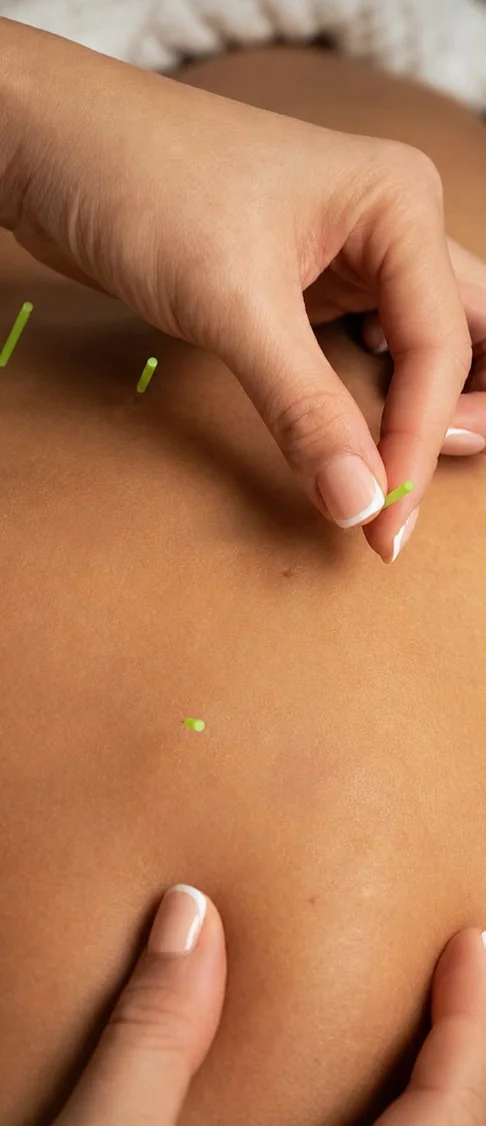
Acupuncture needle placement on a patient's back
Acupuncture at Advanced Spine & Injury Center
Local ResponseTissue, circulation and chemical signaling
Sensory InputNerves carry the signal toward the spinal cord and brain
Pain ModulationNew sensory input can influence how pain is processed
Whole-Body EffectRelaxation and autonomic regulation may also be influenced

TWO WAYS OF EXPLAINING ACUPUNCTURE

Traditional principles and modern physiology can describe the same treatment from different angles.

Traditional Perspective

Balance and the flow of Qi

In Traditional Chinese Medicine, health is understood partly through the flow of Qi — pronounced “chee” — along pathways called meridians. When that flow is imbalanced, symptoms may appear. Acupuncture points are selected to help restore balance and support normal function.

Modern Perspective

Anatomy, physiology, and sensory signaling

Modern research looks at acupuncture through anatomy and physiology. A needle stimulates nerves and tissue, sending signals through the spinal cord and brain that can influence pain, muscle tension, circulation, and nervous-system activity.

Both perspectives can help shape how treatment points are selected for the individual patient.

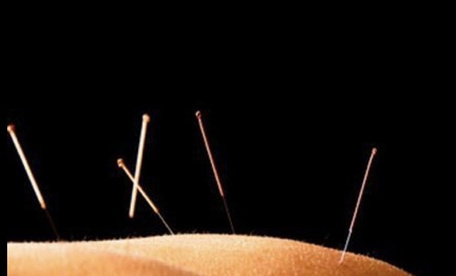
Close-up of acupuncture needles placed in skin

WHAT SHOULD ACUPUNCTURE FEEL LIKE?

Very different from getting a shot.

Acupuncture needles are extremely thin — much thinner than needles used for injections or blood draws. You may feel almost nothing, a quick pinch, pressure, tingling, warmth, or a mild muscle twitch.

The goal is not to create pain. The needle is simply the stimulus that gives the body and nervous system something new to respond to.

THE NEEDLE IS THE SIGNAL

What happens after the needle goes in?

A small mechanical stimulus can create a cascade of local and neurological responses that extend beyond the exact point where the needle was placed.

01

Your Local Tissues Respond

The surrounding cells and nerve endings react to the needle. That local response can influence blood flow, chemical signaling, muscle tension, and tissue sensitivity.

02

Your Nervous System Gets Involved

Sensory signals travel toward the spinal cord and brain and can influence how strongly pain signals are processed. Acupuncture gives the nervous system new sensory input to interpret.

03

Your Brain Responds Too

Stimulation can influence brain networks involved in pain perception, stress response, autonomic regulation, relaxation, and the body’s own pain-modulating systems.

WHY PAIR IT WITH CHIROPRACTIC CARE?

Because the two treatments provide different kinds of input.

The goal is not simply to add more treatment. It is to choose the tools that fit what your body needs.

CHIROPRACTIC

Joint & Mechanical Input

Movement · Mobility · Function

+
ACUPUNCTURE

Sensory & Neurological Input

Pain modulation · Muscle tension · Regulation

A more complete approach to care

WHY THOSE SPECIFIC POINTS?

Point selection is not random.

Needles are not simply placed wherever something hurts. Point selection can take into account where your symptoms are, which tissues may be involved, how your nervous system is responding, your overall presentation, and traditional acupuncture point relationships.

Two people with “the same pain” may receive very different treatments.

WHY MORE THAN ONE VISIT?

Biology does not work like an on/off switch.

Repeated treatments allow us to see how your body responds, how long the response lasts, and whether that response builds over time.

Recommended frequency depends on the condition, how long it has been present, its severity, and how you respond to care.

Dr. Erica Man, Chiropractic Physician certified in acupuncture

MEET YOUR ACUPUNCTURE PROVIDER

Dr. Erica Man

Chiropractic Physician · Certified in Acupuncture

Dr. Man is the acupuncture provider at Advanced Spine & Injury Center, pairing her chiropractic training with certified acupuncture care to build treatment plans that address both the mechanical and neurological sides of pain.

Ask whether acupuncture may fit your care plan →

ACUPUNCTURE ISN'T MAGIC

A tiny needle can create a much larger biological response.

We are not only interested in where the needle goes — we are interested in how your body responds to the signal it creates.

FREQUENTLY ASKED QUESTIONS

What patients usually want to know first.

Does acupuncture hurt?

Most acupuncture needles are extremely thin. You may feel almost nothing, a quick pinch, pressure, tingling, warmth, or a mild muscle twitch. It should not feel like getting an injection.

Do the needles have to go exactly where it hurts?

Not always. Acupuncture points do not have to be directly over the painful area. A needle placed elsewhere can still create sensory and neurological effects beyond the small area surrounding that needle.

How does acupuncture work alongside chiropractic care?

Chiropractic care provides joint and mechanical input focused on movement, mobility, and function. Acupuncture provides sensory and neurological input that may influence pain modulation, muscle tension, and regulation.

How many sessions will I need?

It depends on the condition, how long you have had it, its severity, and how you respond. Repeated treatments help us evaluate the response and whether that response builds over time.

Dr. Erica Man
Dr. Erica Man Chiropractic Physician / Acupuncturist

VISIT US

Curious whether acupuncture may fit into your care plan?

Schedule a consultation and we can discuss whether acupuncture makes sense for your symptoms, goals, and overall treatment plan.

Call (813) 265-8555 Book Online New Patient Forms 10205 Wilsky Blvd., Tampa, FL 33625

General educational information only. Individual recommendations depend on your history and examination.

Call Schedule an Acupuncture Consultation