





Understand the demand
Your sport, training volume, repetitive movements, and competition schedule matter.

From runners and triathletes to cheerleaders, MMA fighters, and competitive athletes, we treat the back, neck, and extremity injuries that come from training hard, then build a plan to reduce the patterns that keep bringing them back.
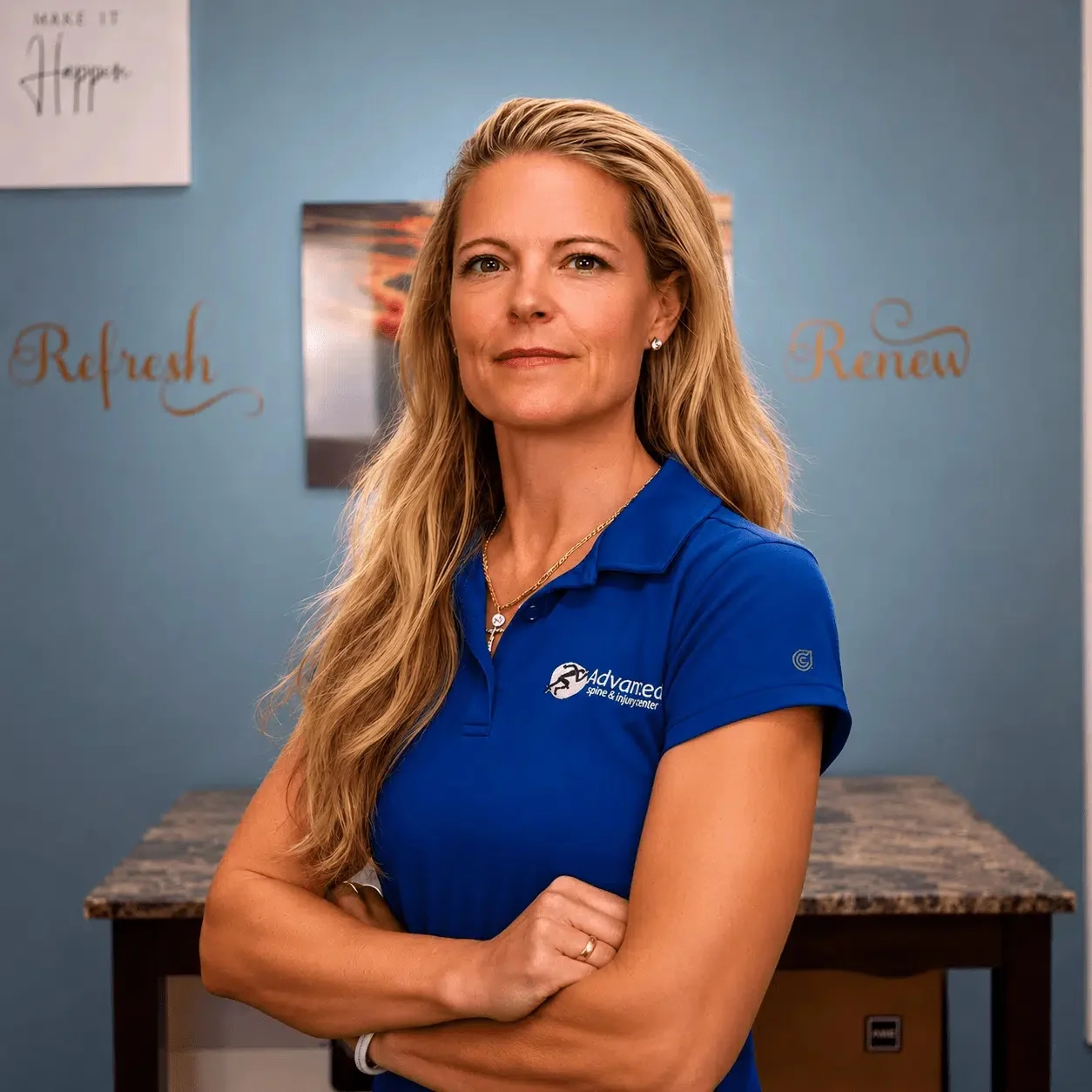
Reviewed by Dr. Joe Troiani, DC and Dr. Theresa Troiani, DC, CCSP · Updated October 2026
SPORTS CHIROPRACTIC LEADERSHIP
Certified Chiropractic Sports Physician
Dr. Theresa brings additional sports-focused training to the athletic side of Advanced Spine & Injury Center. Her CCSP credential reflects advanced education in evaluating and managing sports-related musculoskeletal injuries, athletic function, and return-to-activity considerations.
That perspective fits the way this page is built: assess the athlete, understand the demands of the sport, treat the injury, and help restore the movement and function needed to return to training.
SPORTS INJURY CARE
Back and neck injuries are common in athletes and often reflect repeated loading of the spine. Ligament sprains and muscle strains are frequent, but more serious conditions can present with similar symptoms, which is why the evaluation comes before the treatment plan.
Care can combine chiropractic treatment with spinal decompression, corrective exercise, massage therapy, postural screening, lifestyle coaching, and recovery technologies when appropriate.
Your sport, training volume, repetitive movements, and competition schedule matter.
We look for mobility restrictions, painful loading patterns, and areas that are not tolerating the workload well.
The goal is not just pain relief. It is restoring function and guiding a safe return to training.
WHAT WE TREAT
Hover over a condition, or click / tap a card, to reveal more context.
Repetitive stress that builds faster than the body can recover.
Joint injuries that can create pain, swelling, and instability.
Painful muscle injuries from overload, acceleration, or fatigue.
Spinal pain related to training load, impact, posture, or repetitive motion.
Support after races, tournaments, matches, or high-volume events.
Address small mechanical problems before they become bigger ones.
BEYOND THE SPINE
Athletic injuries are not limited to the back and neck. Chiropractic manipulative therapy can also be applied to extremity joints when examination findings support it.
When soft tissue is part of the problem, high-intensity laser and shockwave therapy can add non-invasive focused light or acoustic energy to the recovery plan.
Shoulders · knees · ankles · wrists · other extremities
Used for selected soft-tissue problems such as plantar fasciitis, tennis elbow, and tendinopathy.
ATHLETIC OPTIMIZATION
Optimization means combining the right tools to address mechanics, tissue tolerance, movement quality, and the habits that influence how well you recover between sessions.
Spinal and extremity care aimed at improving motion and mechanical function where restriction is present.
Non-invasive traction therapy used when appropriate to unload irritated spinal structures and improve tolerance to motion.
A focused home exercise blueprint that reinforces mobility, control, and strength between visits.
Identify smaller mechanical issues and movement habits before they become the next recurring injury.
Soft-tissue care that can support circulation, reduce muscle tension, and improve comfort and range of motion.
Recovery technology for selected tendon and soft-tissue conditions when it fits the clinical picture.
WHAT TO EXPECT
We are not only asking where it hurts. We want to understand what you train, how often you train, what movements provoke symptoms, and what you need to get back to doing.
Review the sport, training volume, injury history, competition demands, and the movements that are currently limited.
Determine whether the presentation is consistent with a sprain, strain, spinal problem, or something that needs further evaluation before return to sport.
Combine the appropriate tools, including chiropractic, decompression, massage, corrective exercise, or recovery technology, around the findings.
Build practical exercise and lifestyle guidance to improve recovery and reduce the chance of immediately repeating the same overload pattern.
FREQUENTLY ASKED QUESTIONS
Not always. Your plan can be built around your sport and training load, so some athletes can continue modified training while the underlying issue is addressed. When rest is the better option, we will tell you.
Overuse-related back and neck problems are common, including ligament sprains and muscle strains from the repetitive demands of training and competition.
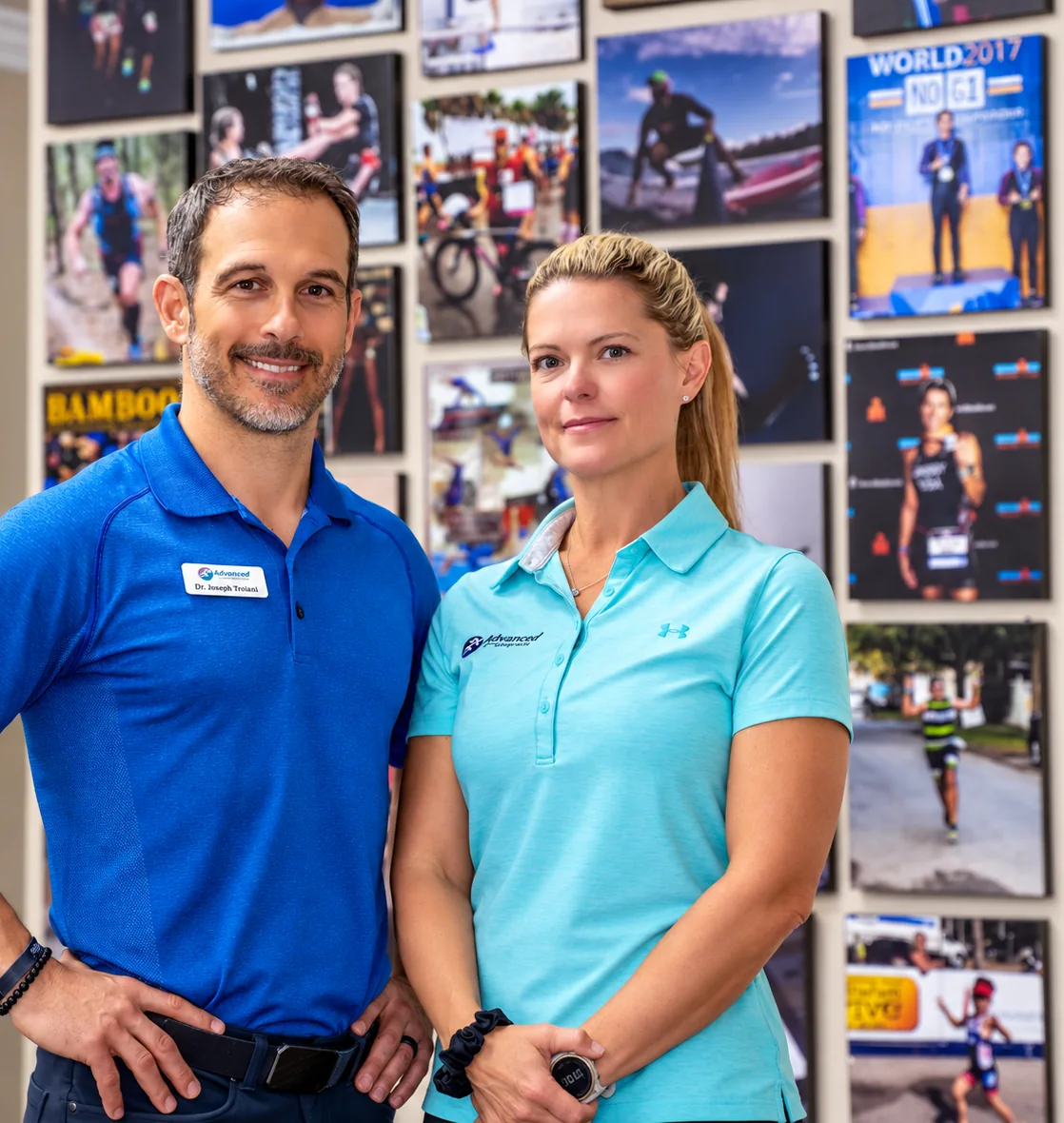
The clinic has treated athletes ranging from long-distance runners and triathletes to cheerleaders, MMA fighters, and professional athletes across multiple sports.
No. Care can also include postural screening, corrective exercise, and lifestyle coaching designed to support movement quality, recovery, and injury prevention.
DON'T JUST PUSH THROUGH IT
If pain keeps changing how you train, move, or compete, schedule an evaluation and find out what is actually driving it.