

What sciatica really means
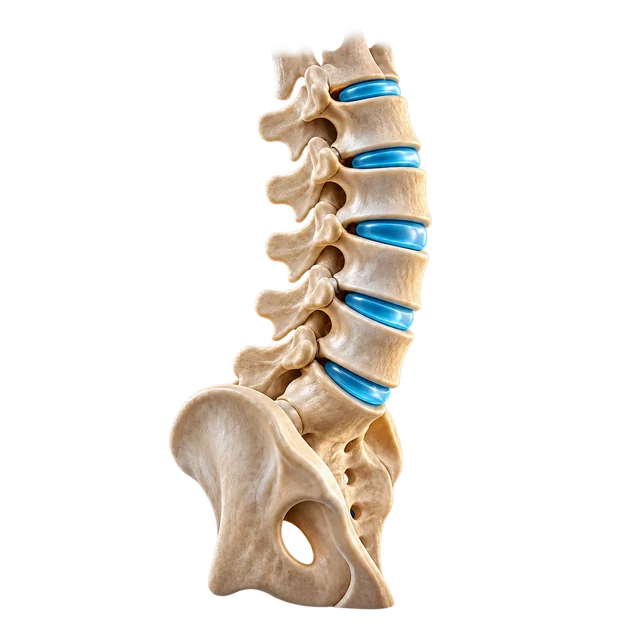
"Sciatica" gets used for almost any back pain, but it has a specific meaning. The sciatic nerve forms from nerve roots in the low back, passes through the buttock and runs down the back of the leg into the foot. Sciatica describes the symptoms that happen when that nerve, or one of the roots that form it, is irritated or compressed. That means sciatica is felt from the low back or buttock down the leg, usually on one side.
Pain, numbness or tingling that travels into the arm or hand is not sciatica. Arm symptoms usually come from the neck, from a pinched nerve there (called cervical radiculopathy). It is a different problem with a different exam, which is why naming it correctly matters. If that sounds more like you, our neck pain page is a better starting point.
Common causes of sciatica
Sciatica is a symptom, not a diagnosis. Finding the cause is what guides care. Common sources include:
- A disc bulge or herniation in the low back pressing on a nerve root (see herniated and bulging discs)
- Tight buttock muscles, such as the piriformis, irritating the nerve as it passes through the hip (often called piriformis syndrome)
- Stiff or irritated joints in the low back or the sacroiliac (SI) joint
- Narrowing of the spaces where nerves exit the spine (stenosis), which is more common after age 50
- Long hours of sitting, especially on a hard seat or a wallet in your back pocket
What sciatica can feel like
- Pain from the buttock down the back or side of the leg, sometimes into the foot
- Burning, electric or shooting pain
- Numbness or tingling in the leg, foot or toes
- Pain that is worse with sitting, bending, coughing or sneezing
- A heavy or weak feeling in the leg or foot
Red flags: when sciatica is an emergency
Most sciatica is not dangerous, even when it is very painful. A small number of cases need emergency care because a nerve problem is serious or getting worse quickly.
Call 911 or go to the ER right away for new loss of bladder or bowel control (or being unable to urinate), numbness in the groin, genitals, buttocks or inner thighs ("saddle" numbness), weakness or numbness in both legs, or leg weakness that is getting worse quickly, such as a foot that starts to drag.
Also get checked promptly by a medical provider if your back or leg pain comes with fever or chills, unexplained weight loss, a history of cancer, or started after a serious fall or car crash. These do not always mean something serious, but they call for a medical evaluation before anything else.
How conservative care can help
For many people, sciatica improves with conservative care, meaning treatment without surgery or injections. At our Tampa office, the first visit focuses on finding out where the nerve is being irritated. We test reflexes, strength and sensation, and use movement tests that help tell disc-related sciatica apart from muscle-related nerve irritation. If imaging or a referral makes more sense, we tell you.
Depending on what the exam shows, a plan may include:
- Chiropractic adjustments to restore motion in the low back, pelvis and SI joints
- Spinal decompression, gentle intermittent traction when a disc is involved
- High-intensity laser to help calm pain and inflammation
- Massage and soft-tissue work for a tight piriformis and gluteal muscles
- Corrective exercise: nerve glides, core and hip strength so symptoms settle and stay away
A helpful sign during care is when pain moves up out of the leg and closer to the low back. Leg pain often eases before numbness does. We re-check your exam regularly and refer to a spine specialist if symptoms are not improving or are getting worse. Every case is different, and results vary from person to person.
Tips for living with sciatica
- Keep moving. Short, easy walks usually help more than long periods of bed rest.
- Break up sitting. Stand up and move every 30 minutes, and take the wallet out of your back pocket.
- Watch where the pain goes. Stop any stretch or position that sends pain further down your leg.
- Try heat for muscle tension in the buttock and low back.
- Be careful with lifting and bending until you know the cause. Bend at the hips and knees and keep loads close.
- Do not ignore weakness. New or spreading numbness or weakness should be checked, not waited out.
Common questions
Can a chiropractor help sciatica?
For many people, yes. Chiropractic care, decompression, laser and soft-tissue work are conservative options that can reduce irritation on the nerve, depending on the cause. The exam decides whether chiropractic care is the right fit.
How long does sciatica last?
Many cases improve over several weeks to a few months with conservative care. Some take longer, which is why regular re-checks matter.
Should I stretch my piriformis?
Gentle stretching can help when a tight piriformis is the cause, but the wrong stretch can aggravate a disc. We will show you which stretches suit your type of sciatica.
My arm tingles. Is that sciatica?
No. Sciatica affects the leg. Arm or hand tingling usually comes from a pinched nerve in the neck and needs its own exam.
How do I get started?
Call 813-265-8555 or book online to schedule an evaluation at our office on Wilsky Blvd in Tampa. Learn more on our sciatica page.
Related care
This article is general health information, not a diagnosis or medical advice. Every patient starts with a history and examination, and we refer to other specialists when a condition falls outside chiropractic care.